Y2k Streetwear Graphic Design Ideas: The Ultimate Collection
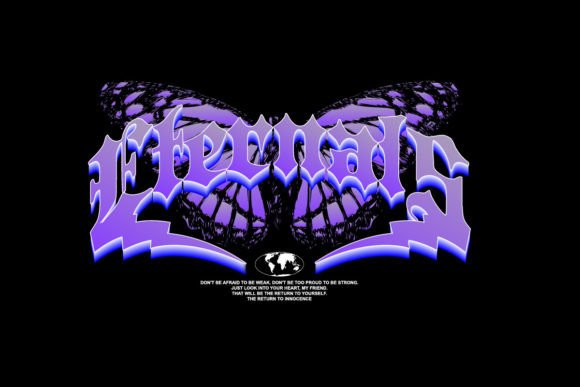
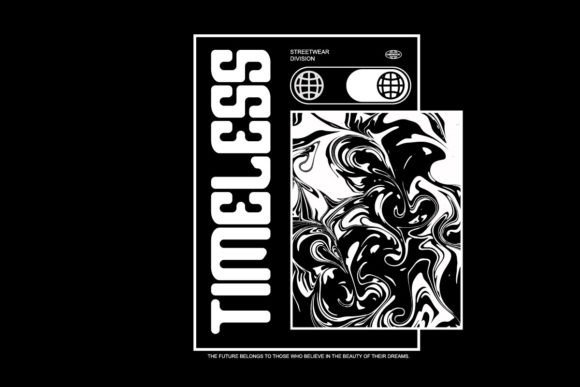
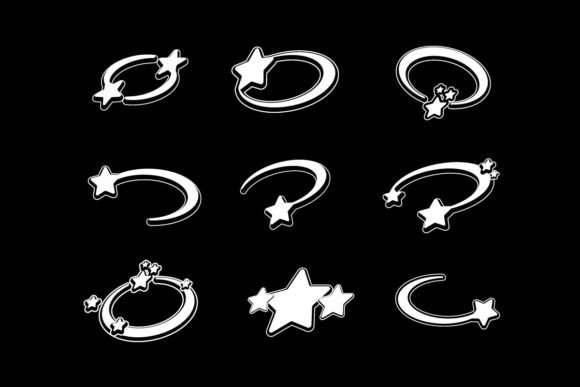
The early 2000s aesthetic is making a massive comeback, and for good reason. There is a unique blend of nostalgia, futurism, and raw urban energy in Y2k Streetwear Graphic Design Ideas that modern minimalism simply cannot replicate. If you are looking to launch a clothing line, refresh your merchandise, or create digital art that resonates with a specific, style-conscious demographic, this collection is your toolkit. It captures the chaotic beauty of the era—think metallic textures, distorted typography, and abstract shapes—and packages it into high-quality, editable assets ready for the modern creator.
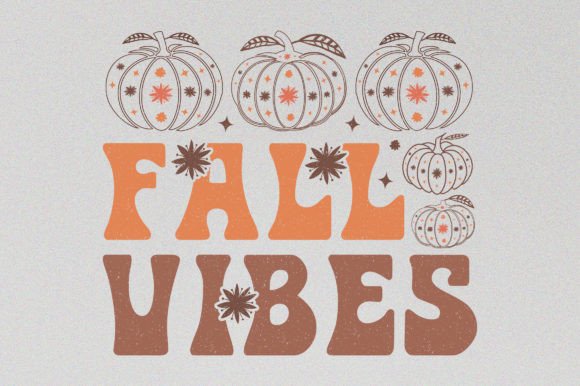
This collection is not just a random assortment of images; it is a curated set of aesthetic urban streetwear designs. The appeal lies in the versatility of the visuals. You get the grit of the street mixed with the polish of digital design. Whether you are a small business owner trying to break into the fashion market or a graphic designer looking for fresh design assets, these files provide a solid foundation. The personality of this style is bold, unapologetic, and experimental. It speaks to a generation that values individuality and vintage charm, making it perfect for custom printed clothing that stands out in a crowded market.
Visual Characteristics and the "Y2k" Personality
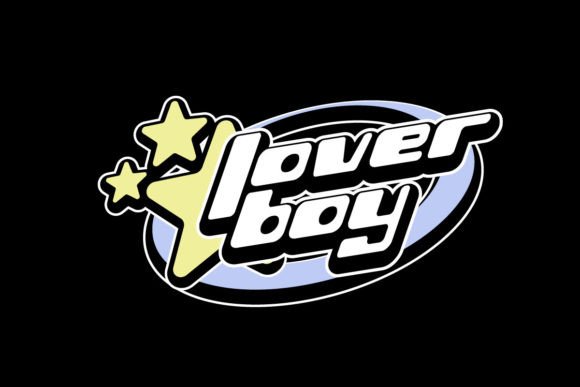
Understanding the visual language of Y2k Streetwear Graphic Design Ideas is key to using them effectively. The style is defined by a rejection of clean, corporate perfection in favor of something more expressive. You will often see elements like chrome effects, bubble text, chaotic compositions, and a mix of futuristic and retro iconography. The "personality" of these designs is confident and loud. They are designed to be the focal point of a garment, serving as a statement piece rather than a subtle accent.
Unlike a standard sans serif font or a clean serif font used in corporate brand identity, these graphics demand attention. They function similarly to a display font—meant for headlines and logos rather than body text. When you apply these designs to a hoodie or a t-shirt, you are leveraging modern typography trends that blend readability with artistic flair. The vector nature of these files ensures that the intricate details of the textures and lines remain crisp, regardless of the medium. This is crucial for merchandise, where print quality directly impacts perceived value.
Practical Applications for Creators and Brands
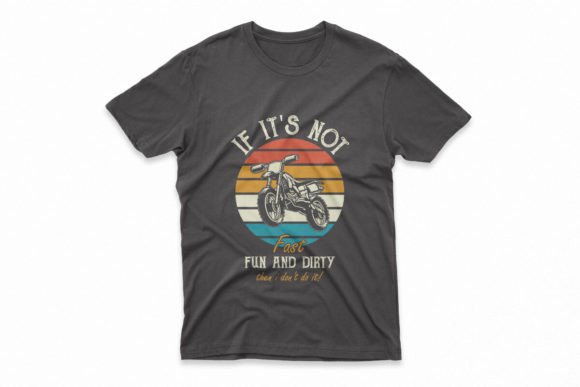
The utility of this collection extends far beyond just t-shirts. While they are marketed as Streetwear T-shirt Designs, the potential applications are vast. For entrepreneurs and marketers, these assets can serve as the backbone of a visual campaign. Imagine using these high-impact graphics for social media graphics, website hero images, or even packaging design. The aesthetic is immediately recognizable and appeals to a specific psychographic that is highly active online.
Here are some practical ways to integrate these designs into your workflow:
- Custom Merchandise: The primary use case. Use the high-resolution JPGs for t-shirt sublimation or screen printing. The vector files allow you to scale the art for posters or banners without losing quality.
- Digital Content: If you are a content creator or blogger, these graphics can elevate your thumbnails, channel art, or newsletter headers. They provide an instant "cool factor" that generic stock photos lack.
- Brand Assets: For a streetwear brand, consistency is key. Use these elements to build a cohesive brand identity. You might take a specific shape from the design to use as an icon or watermark.
- Editorial Design: Publishers working on zines or music magazines can use these backgrounds and motifs to create layouts that feel authentic to the culture they are covering.
Working with Vector Files: Flexibility and Quality
One of the biggest advantages of this collection is the file format. As mentioned, you receive 100% vector source files in EPS format. For those unfamiliar, vector graphics are based on mathematical paths rather than pixels. This means you can transform, scale up, add, remove, or recolor elements without losing a single drop of quality. This is a non-negotiable feature for professional logo design and large-format printing.
Imagine you are creating a design for a client, and they decide at the last minute they want the graphic twice as large for the back of a jacket. With a raster image (like a standard JPEG), scaling up would result in a pixelated, blurry mess. With these vector files, the edges remain razor-sharp. Furthermore, the ability to edit the files means you can customize the artwork to fit your specific vision. You can isolate a single element to use as a standalone icon or combine multiple graphics to create a complex composition. This level of control is what separates amateur projects from professional-grade creative font and graphic work.
Choosing the Right Design for Your Project
When selecting from a collection of Y2k Streetwear Graphic Design Ideas, context is everything. You need to evaluate the project fit carefully. Ask yourself: Who is the audience? If you are targeting Gen Z or Millennials with an interest in vintage culture, the Y2k aesthetic is a perfect match. However, if you are designing for a luxury law firm, perhaps a bold, chaotic streetwear graphic isn't the right fit.
Consider the "visual hierarchy" of your final product. If the graphic is the hero, keep the surrounding design elements minimal. A loud, textured streetwear design pairs best with simple backgrounds and legible typography for any accompanying text. You don't want the viewer to struggle to find the message amidst the art. Think of the design as the "display" element and any accompanying text as the "body" element. The contrast between a complex graphic and a clean sans serif font often creates the most professional and readable layouts.
Finalizing Your Design and Preparing for Print
Once you have customized your vector file, the next step is production. The files are delivered in a ZIP format, containing the necessary EPS and JPG files. When preparing for t-shirt sublimation or DTG (Direct to Garment) printing, ensure your color profiles are set correctly (usually CMYK for print). Because these are premium font and graphic assets, you want to ensure the printer reproduces the colors accurately.
Before sending the files to a printer, always do a test run or request a proof. Check the placement on the garment. Does the design sit well on the chest? Is it too low? Is it centered? These small details make a massive difference in the final product's quality. By leveraging these Y2k Streetwear Graphic Design Ideas