Streetwear Graphic Tee Design Ideas: A Designer's Toolkit
The Aesthetic of Urban Edge
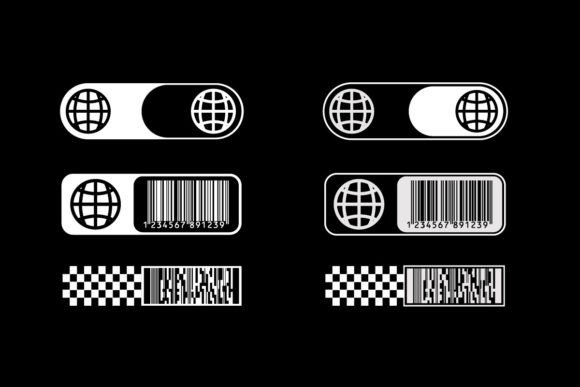
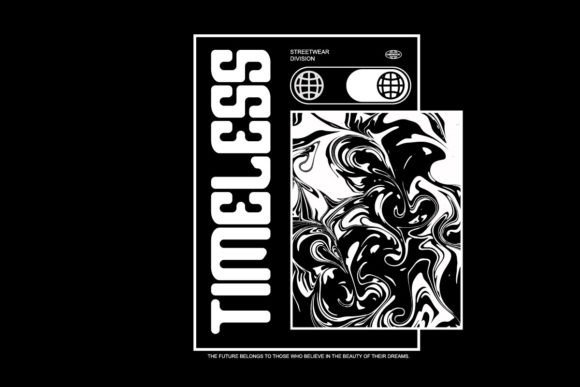
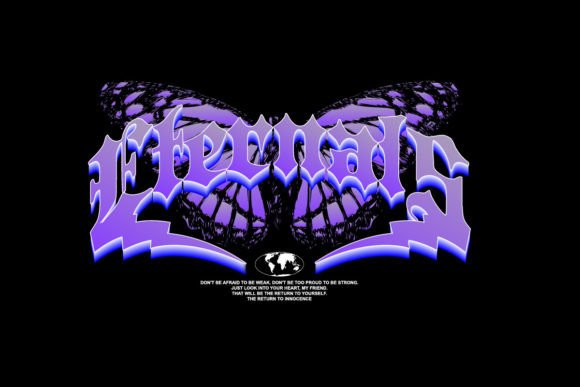
Streetwear isn't just clothing; it's a visual language, a subculture made tangible. The core of this language often lives on the graphic tee, a canvas for expression that communicates attitude, affiliation, and artistic sensibility. True streetwear graphic tee design ideas move beyond generic patterns. They possess a distinct personality—often blending gritty textures with bold, clean typography, or pairing illustrative elements with stark, minimalist layouts. The appeal lies in this duality: it's raw yet refined, loud yet thoughtful. Think of designs that incorporate distressed effects, halftone dots, intricate line work, or powerful, standalone icons. These aren't just images on fabric; they're statements engineered to resonate with a specific audience that values authenticity and style.
Where This Design Language Thrives
The utility of a well-crafted streetwear graphic extends far beyond a single t-shirt. Its inherent boldness and cultural relevance make it a versatile asset for a range of projects. For entrepreneurs launching a clothing brand, these designs form the foundational product line. But their application is broader. Consider using a central graphic from a streetwear collection for a logo design, creating an immediate and recognizable brand mark. The style translates powerfully to packaging design for products targeting a younger, style-conscious demographic, instantly setting the product apart on a crowded shelf.
In the digital realm, these assets are gold. A striking graphic can become the centerpiece of social media graphics, driving engagement and defining a brand's visual feed. They can be adapted for web design elements, like hero banners or section dividers, injecting energy and contemporary flair into a site. For editorial design—think magazine features, blog post headers, or digital zines—a streetwear-inspired graphic can instantly establish a tone that is current, urban, and culturally aware. Even for personal projects, like custom merchandise for an event, a creative community, or a side hustle, this design language offers a professional, market-ready aesthetic.
Practical Guidance for Implementation
Integrating powerful design assets like these requires a strategic approach. First, evaluate the project fit. Is the brand's personality aligned with urban culture, youth trends, music, or contemporary art? If the goal is to project tradition, subtlety, or luxury in a classic sense, a different typeface and visual style might be more appropriate. The strength of a streetwear graphic tee design is its specific voice; use it where that voice is needed.
Next, consider the technical deliverables. The value of a premium font or graphic asset lies in its flexibility and quality. A collection that provides 100% vector source files, such as EPS formats, is indispensable. Unlike raster images, vectors allow you to transform, scale up & down, add & remove elements or text, and recolor without losing quality. This means a single design can be adapted for a tiny chest print, a full back graphic, a billboard, or a social media avatar with perfect clarity. Always check the included file types. High-resolution JPGs are great for mockups and web use, but the editable vector files are what give you true creative control for professional applications.
Making It Work: Pairing and Readability
A common question is how to pair these bold graphics with typography. The key is contrast and hierarchy. If the graphic is complex and detailed, pair it with a clean, sans serif font for any accompanying text to ensure readability. Conversely, a simpler, more iconic graphic might work well with a complementary script font or handwritten font to add a personal, human touch. Always test pairings at the intended size. What looks balanced on a screen may become cluttered on a physical product.
Readability is paramount. Even the most compelling design fails if its message is lost. Consider the final medium. For t-shirt sublimation, ensure color contrast is sufficient. For web use, check legibility against various background colors. The goal of modern typography and graphic design is clear communication; the aesthetic should enhance, not hinder, that goal.
Finally, understand the licensing. For any commercial use—whether selling merchandise, using the design in a client's brand identity, or incorporating it into digital products—confirm the license permits it. Reputable design asset providers offer clear commercial licensing, allowing you to use the work with confidence across projects, building a consistent and professional visual identity for your brand or your clients' brands. This practical foundation turns creative ideas into sustainable, recognizable assets.